


Leer en español: Escuelas de aviación en Querétaro
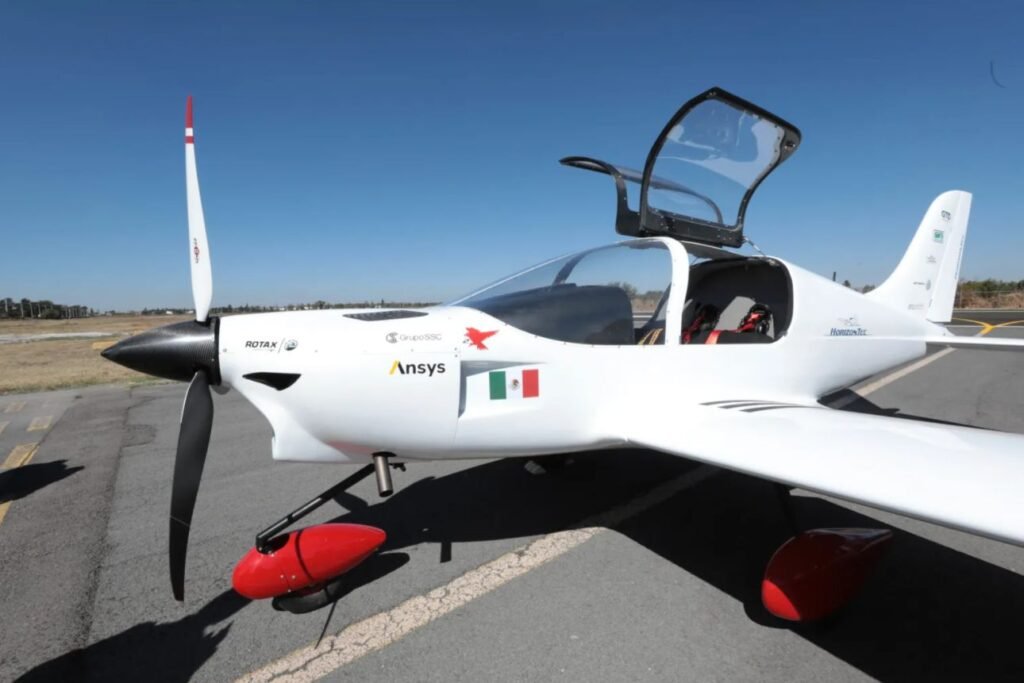
Querétaro is not an obvious aviation town at first glance, but it has become one of the most important aerospace hubs in Latin America, and that history explains why the state now has a genuine cluster of flight and aviation-technical schools rather than just one or two private operators. Here’s how that came about and where to train.
How Querétaro Became an Aerospace Hub
The turning point traces back to 2005, when Querétaro’s state government, backed by federal support, competed internationally to attract Bombardier Aerospace’s manufacturing operations. Bombardier’s arrival was announced that October, and the following years built an entire ecosystem around it. Today, the Querétaro Aerocluster comprises 85 companies and institutions: 24 manufacturing firms, 4 original equipment manufacturers, 5 maintenance-repair-overhaul operations, 12 research centers, and 7 academic institutions, generating more than 8,500 aerospace-related jobs. Major manufacturers including Boeing, Airbus Group, Bombardier, Safran México, and GE have all had a presence in the cluster, and Querétaro’s specialization in fuselages, landing gear, stabilizers, electrical harnesses, and turbine components has helped the state capture roughly half of Mexico’s foreign direct investment over the past decade.
Universidad Aeronáutica en Querétaro (UNAQ)
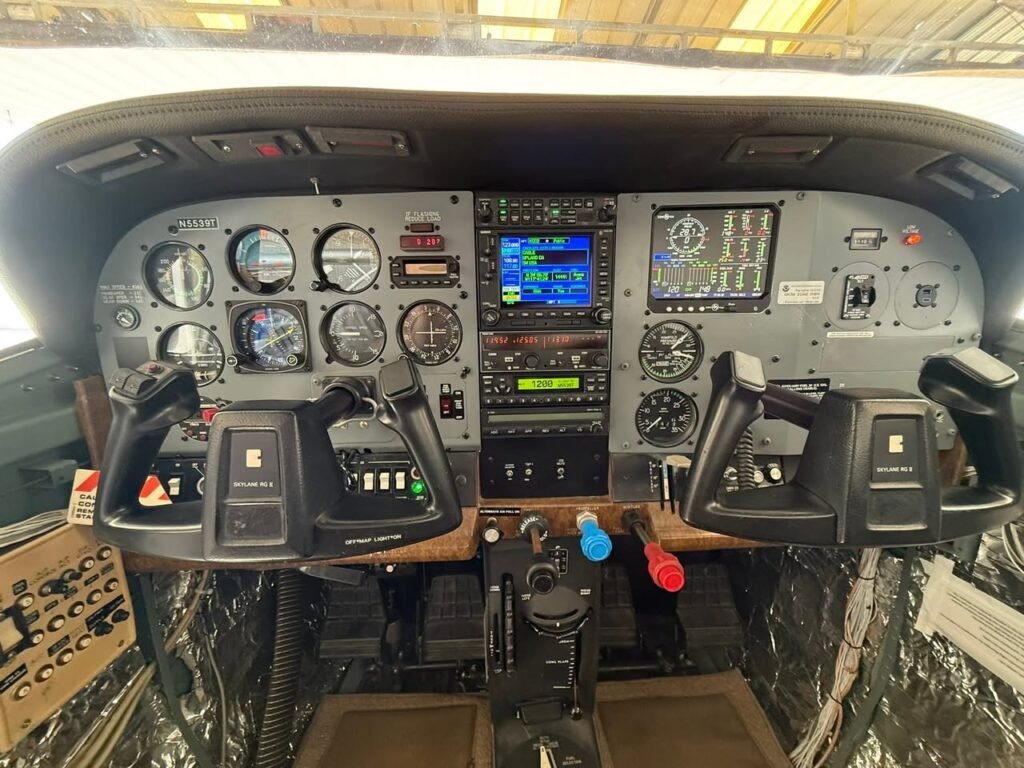
UNAQ, established as a public institution on November 23, 2007, grew directly out of the push to build Mexico’s first aeronautical manufacturing cluster. It remains the anchor academic institution of the aerocluster, training the engineers and technicians who feed directly into the surrounding manufacturing and MRO companies, and its founding is inseparable from the same Bombardier deal that built the industry around it.
Private Flight and Aviation Schools
Alongside UNAQ, several private schools serve students pursuing pilot licenses, cabin crew certification, and aircraft maintenance credentials. ANTA operates a Querétaro campus as part of its national aviation-school network. EDAE runs a dedicated Querétaro campus as well. AQS Querétaro, backed by more than 15 years of experience from its Toluca operation, focuses on technical aeronautical training rather than pilot licensing specifically: a three-month intensive flight attendant program, Class I and II aerospace maintenance certifications covering engines, structures, and avionics, a seven-month weekend program in aircraft assembly and composite manufacturing, and recurrent training on specific aircraft types including the Airbus A320, Boeing 737, and various Embraer and Bombardier CRJ models.
Choosing a Path
- For a full aerospace engineering or technical career track tied directly to the local manufacturing industry, UNAQ is the anchor institution to start researching.
- For pilot licensing specifically, contact ANTA or EDAE’s Querétaro campuses directly to confirm current program offerings and AFAC licensing pathways, since curricula and certifications change.
- For flight attendant training or aircraft maintenance certification rather than piloting, AQS Querétaro’s shorter, focused programs are worth a direct inquiry.
- Given Querétaro’s role as a manufacturing and MRO hub, students who complete local aviation-technical training often have a shorter path to employment than in cities without an established aerocluster.
Sources: Universidad Aeronáutica en Querétaro — Wikipedia | Plastico.com: Querétaro Concentra 85 Empresas del Sector Aeroespacial | AQS Querétaro
Read more: El Aeropuerto de Querétaro Crece
Aviation schools in the Zibatá Hoy directory: UNAQ, ANTA Querétaro, EDAE Querétaro and AQS Querétaro. Flying in? See Aeropuerto Internacional de Querétaro.
