


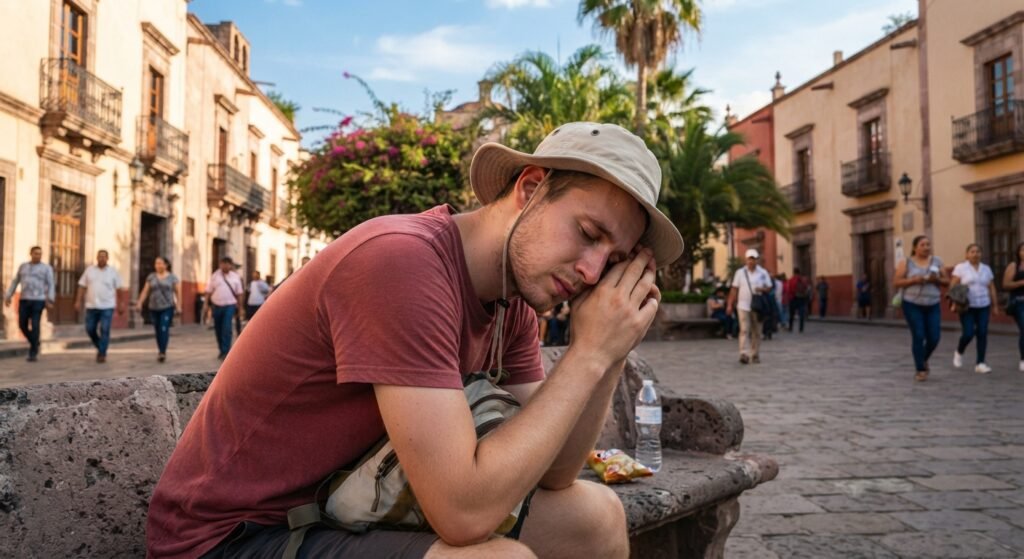
Querétaro sits at an average elevation of about 1,820 meters, roughly 6,000 feet, and Zibatá, just north of the city, sits at a similar height. That is not high enough to trigger classic altitude sickness for most people, but it is high enough that newcomers arriving from sea level, especially from coastal U.S. or Canadian cities, often notice something is different for the first week or two. Here is what actually happens at this elevation and how to handle it, based on established altitude-medicine guidance.
Where Zibatá Falls on the Altitude Scale
According to the CDC’s Yellow Book, the authoritative U.S. reference for travel medicine, classic acute mountain sickness risk begins at sleeping altitudes of roughly 2,450 meters (8,000 feet) and above. Zibatá and Querétaro, at around 1,820 meters, sit below that threshold, which is why full-blown altitude sickness is uncommon here. What newcomers do experience falls into a milder category sometimes called moderate-altitude adjustment: faster dehydration, disrupted sleep for the first few nights, quicker fatigue during exercise, and occasionally mild headaches, especially in people arriving directly from sea level with no gradual transition.
Why It Still Feels Different
Thinner air at this elevation means each breath carries less oxygen, and the body compensates by breathing slightly faster and producing more red blood cells over time, a process that takes one to two weeks to meaningfully kick in. Combined with the Bajío’s dry climate and intense midday sun, most newcomers notice they get thirsty, tired, or sunburned faster than they expect during the adjustment period, even without any classic altitude sickness symptoms.
Practical Adjustment Tips
- Hydrate more than feels necessary. The combination of altitude and dry air increases water loss through breathing and evaporation; drink water consistently rather than waiting to feel thirsty.
- Ease into exercise. CDC guidance for higher elevations recommends limiting activity to mild exercise during the first days at altitude; the same logic applies loosely here, ramp up workout intensity over the first one to two weeks rather than training at full effort immediately.
- Go easy on alcohol at first. Alcohol’s effects are often more pronounced at elevation, and the CDC specifically advises avoiding it during the initial acclimatization window at higher altitudes; the same caution is reasonable advice for the first few days in Zibatá.
- Protect against sun exposure. UV intensity increases with elevation, and skin that isn’t used to it burns faster than at sea level even on mild days.
- Expect sleep to normalize within a week or two. Mild sleep disruption during the first several nights is common and typically resolves without intervention.
When to See a Doctor
Most newcomers to Zibatá’s elevation need no medical intervention at all. That said, anyone with pre-existing heart or lung conditions should mention the move to their physician before relocating, since even moderate elevation changes can matter for certain conditions. If headache, dizziness, or shortness of breath is severe, doesn’t improve with rest and hydration, or is accompanied by confusion or chest pain, seek medical attention rather than assuming it is ordinary altitude adjustment. This article is general information, not medical advice; anyone with specific health concerns about relocating should consult a physician familiar with their history.
Sources: CDC Yellow Book: High-Altitude Travel and Altitude Illness | Santiago de Querétaro — Wikipedia (elevation data)
Read more: El Costo de Vida en Querétaro y Zibatá | Vivir en Zibatá: Guía para Nuevos Residentes
