


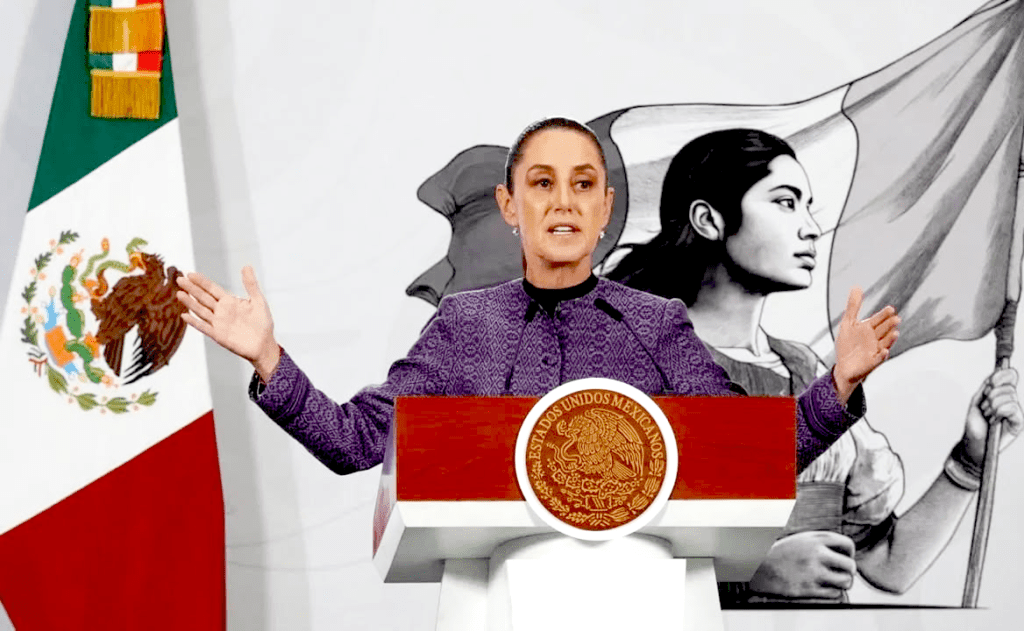
El anuncio de la nueva iniciativa de Salud Universal en México marca un momento significativo para la población. Sobre el papel, la propuesta es contundente: atención médica gratuita para todas las personas, sin importar si cotizan en la seguridad social, si trabajan en la economía informal o si nunca han tenido acceso a un sistema público de salud. La creación de una credencial universal, la integración de IMSS, ISSSTE e IMSS‑Bienestar, así como la promesa de que cualquier persona podrá recibir atención en cualquier institución pública a partir de 2027, representan una profunda reimaginación del sistema de salud. No se trata de una reforma menor, sino de un intento por desmontar décadas de fragmentación que han generado desigualdades tan evidentes como persistentes. Como ocurre con los grandes anuncios, la magnitud de la promesa convive con las dudas.
Eliminando los obstáculos
La lógica detrás de este nuevo modelo es sencilla: si la salud es un derecho humano fundamental, no debería depender del tipo de empleo ni del estatus laboral. La credencial universal y el expediente clínico digital buscan agilizar todo el proceso, permitiendo que la atención fluya sin barreras burocráticas, un problema que la gente ha enfrentado durante décadas. Millones de personas han tenido que navegar un sistema desordenado, obligadas a brincar entre instituciones, repetir estudios o pagar consultas privadas para resolver lo que el sistema público no alcanza a cubrir.

La primera fase se enfocará en emergencias, embarazos de alto riesgo, infartos, derrames cerebrales y cáncer. Su idea es comenzar por donde más vidas se pueden salvar. La plataforma digital con historial médico, citas y teleconsultas promete un salto tecnológico que México ha pospuesto durante años. Vale la pena recordar que esta modernización no ocurre en el vacío. Ocurre en un país donde la infraestructura hospitalaria es desigual, donde regiones enteras carecen de especialistas y donde la digitalización avanza a ritmos muy distintos entre zonas urbanas y rurales.
Es imposible ignorar el potencial transformador de un sistema que podría reducir de manera significativa la brecha entre quienes tienen seguridad social y quienes no. Procedimientos simplificados, expedientes unificados y la posibilidad de recibir atención en cualquier institución podrían aliviar una carga histórica para millones de familias. También es cierto que un sistema integrado permitiría una mejor planeación, distribuyendo personal, medicamentos y recursos con una visión nacional. En un país donde la coordinación institucional ha sido un obstáculo recurrente, esto, por sí solo, sería un avance.
Siempre hay un lado negativo
Aunque el anuncio es sumamente emocionante, el entusiasmo debe dar paso a los posibles riesgos. El más evidente es la capacidad del sistema para absorber una demanda que, por primera vez, sería verdaderamente universal. Muchos hospitales ya operan al límite. Algunas clínicas carecen de personal suficiente, muchas comunidades dependen de brigadas temporales para recibir atención básica.
La ausencia de un plan financiero detallado que acompañe el anuncio es algo que debería preocupar a cualquiera. La universalidad implica un costo sostenido, creciente y complejo. Sin claridad presupuestal, la promesa corre el riesgo de convertirse en un fracaso costoso. También debemos considerar la enorme brecha digital. Las aplicaciones, el expediente electrónico y las tecnologías de teleconsulta pueden mejorar la atención, pero también pueden profundizar desigualdades si no se acompañan de infraestructura, conectividad y capacitación. La implementación debe planearse y ejecutarse con cuidado, en fases claras y manejables.
Ahora toca esperar
El anuncio del primer Servicio de Salud Universal en México es, sin duda, una apuesta histórica. Representa la visión de un país más igualitario, moderno y coherente en términos de política pública. También marca el inicio de un periodo de transición que requerirá inversión, coordinación y supervisión constante para evitar que este esfuerzo monumental se diluya bajo el peso de su propia complejidad. México ha decidido avanzar hacia un modelo de salud que, durante décadas, parecía imposible. El reto ahora es convertir esa imposibilidad en una realidad tangible para quienes más lo necesitan. La historia dirá si este es el comienzo de un sistema más justo o un recordatorio de que las grandes transformaciones requieren más que voluntad política.
English | Inglés
Universal Healthcare in Mexico
The announcement of the new Universal Healthcare initiative in Mexico marks a significant moment for Mexican people. On paper, the prospect is striking – free medical care for all, regardless of whether they contribute to social security, work in the informal economy, or have never had access to any public health system. The creation of a universal health credential, the integration of IMSS, ISSSTE, and IMSS‑Bienestar, as well as the promise that anyone will be able to receive care at any public institution starting in 2027, represent a profound reimagining of the healthcare system. This is not a minor reform, rather an attempt to dismantle decades of fragmentation that have produced inequalities as obvious as they are persistent. As with all major announcements, the scale of the promise coexists with doubts.
Removing the Road Blocks
The logic behind this new model is straightforward – if healthcare is a fundamental human right, it should not depend on employment type or work status. The universal credential and the digital medical record aim to streamline the entire process, allowing care to flow without bureaucratic barriers – an annoyance that people have dealt with for decades. Millions of frustrated people, moving through a disorganized system, forced to bounce between institutions, retake tests, or pay for private consultations to manage what the public system cannot.
The first phase will focus on emergencies, high‑risk pregnancies, heart attacks, strokes, and cancer. The idea is to start where the most lives can be saved. The digital platform, with medical history, appointments, and teleconsultations, promises a technological leap that Mexico has postponed for years. It should be noted that this modernization does not happen in a vacuum; It happens in a country where hospital infrastructure is imbalanced, where entire regions lack specialists, and where digitalization advances at very different speeds between urban and rural areas.
It’s impossible to ignore the transformative potential of a system that, if it works, could meaningfully reduce the gap between those who have social security and those who don’t. Simplified procedures, unified records, and the possibility of receiving care in any institution could ease a historic burden for millions of families. It’s also true that an integrated system would allow for better planning, distributing personnel, medicines, and resources with a national vision. In a country where institutional coordination has been a recurring obstacle, this alone would be progress.
There is Always A Downside
While the announcement is incredibly exciting, the enthusiasm must give way to potential pitfalls. The most obvious is the system’s capacity to absorb a demand that, for the first time, would be truly universal. Many hospitals already operate at their limit; some clinics lack sufficient staff; many communities rely on temporary medical teams for basic care.
The absence of a detailed financial plan to accompany the announcement is something that should worry anyone. Universality is a sustained, growing, and complex cost center. Without budgetary clarity, the promise risks becoming an expensive failure. We should also consider that there is a massive digital divide. Apps, the electronic record, and teleconsultation technologies can improve care, but they can also deepen inequalities if not accompanied by infrastructure, connectivity, and training. The rollout must be carefully planned and executed in easily digestible phases.
Now We Wait
The announcement of Mexico’s first Universal Healthcare Service is, without a doubt, a historic bet. It represents a vision of a more equal, modern, and coherent country in terms of public policy. This is a period of transition that will require investment, coordination, and ongoing oversight to ensure this ambitious effort doesn’t get bogged down by its complexity. Mexico has chosen to move toward a healthcare model that, for decades, seemed impossible. The challenge now is to turn that impossibility into a tangible reality for those who need it most. History will tell whether this is the beginning of a fairer system or a reminder that great transformations require more than political will.
Sources | Fuentes: Gob.MX | Mexico News Daily
Read More | Leer más: Un nuevo hospital en Zibatá mejorará el acceso a la atención médica local
