


Leer en español: Las mejores crepas en Zibatá
Some cravings hit hardest right after sunset. A warm crêpe, folded around Nutella and fresh strawberries, answers most of them. Fortunately, you do not need to leave the neighborhood to find one. Three local businesses now make crêpes to order around Zibatá. One runs a cozy shop in Plaza Paseo, another works evening hours in Zákia, and a third brings the griddle to your party. Before you go, here is a quick look at where this thin, golden pancake came from.
A Short History of the Crêpe
The crêpe comes from Brittany, the rocky peninsula in France’s far northwest. Its name traces back to the Latin crispa, meaning curled or wavy. For centuries, Breton soil was too poor and damp for good wheat. Buckwheat, however, thrived there after it arrived in the Middle Ages. As a result, farmers mixed buckwheat flour with water and salt and cooked it in thin rounds. Over time, those rounds became a daily staple, eaten even more often than bread.
The written record goes back a long way. In 1499, the first Breton-Latin-French dictionary already listed krampouezenn, the Breton word for crêpe. Later, cheaper white wheat flour reached the region. Consequently, a lighter, sweeter crêpe joined the savory buckwheat version.
Every February 2, France celebrates La Chandeleur, or Candlemas, with stacks of crêpes. By tradition, their round, golden shape echoes the sun and the return of longer days. In addition, flipping a crêpe while holding a coin in your other hand is said to bring a prosperous year. Interestingly, Mexico marks that same day, Día de la Candelaria, with tamales instead.
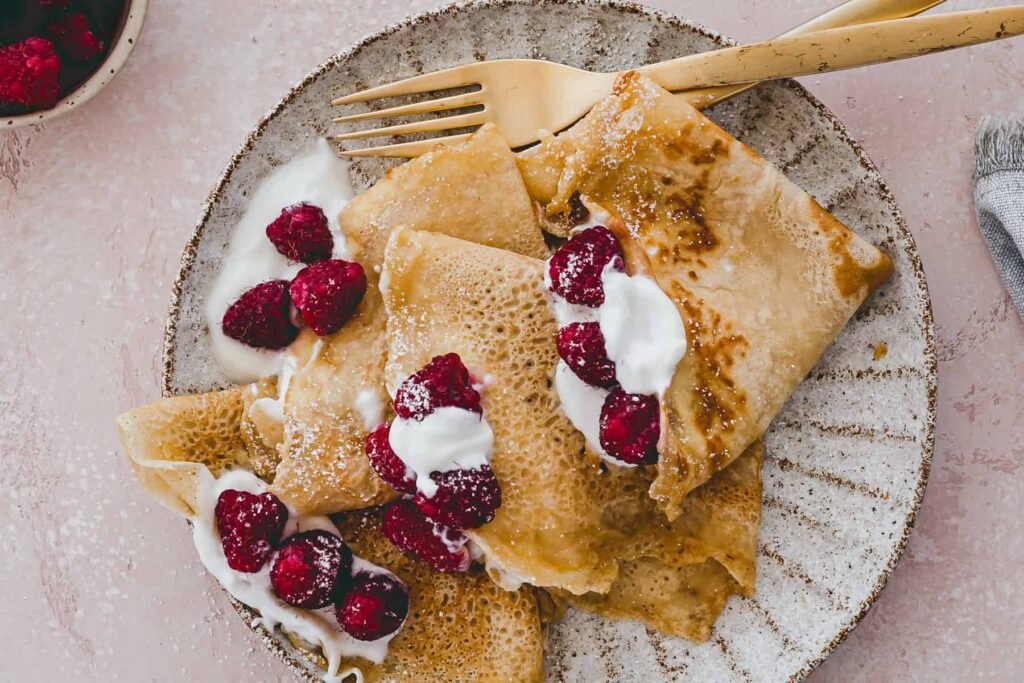
Meanwhile, the most famous dessert crêpe has its own legend. According to the best-known story, Henri Charpentier was a young cook at the Café de Paris in Monte Carlo. One night, he flambéed a crêpe with orange and brandy for the Prince of Wales. That is how crêpes Suzette were born.
Crêpes reached Mexico with the French Intervention of the 1860s. The soldiers eventually left, but the crêpes stayed. Today, chef Pati Jinich calls crepas con cajeta one of Mexico’s most traditional desserts. Likewise, savory crepas de huitlacoche have become a classic of Mexican cooking. In other words, the crepa you order in Zibatá carries both French and Mexican history.
How a Crêpe Is Made
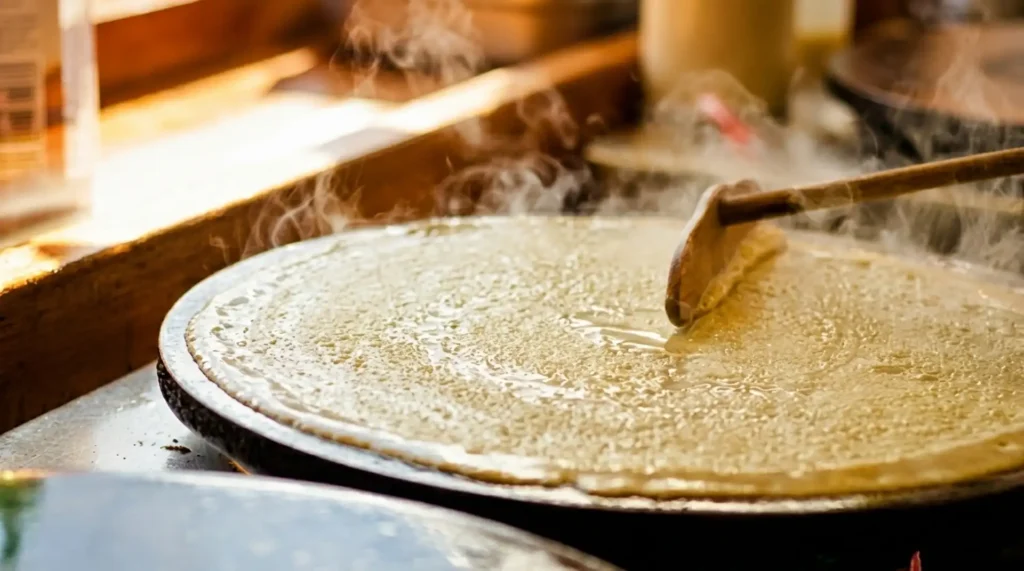
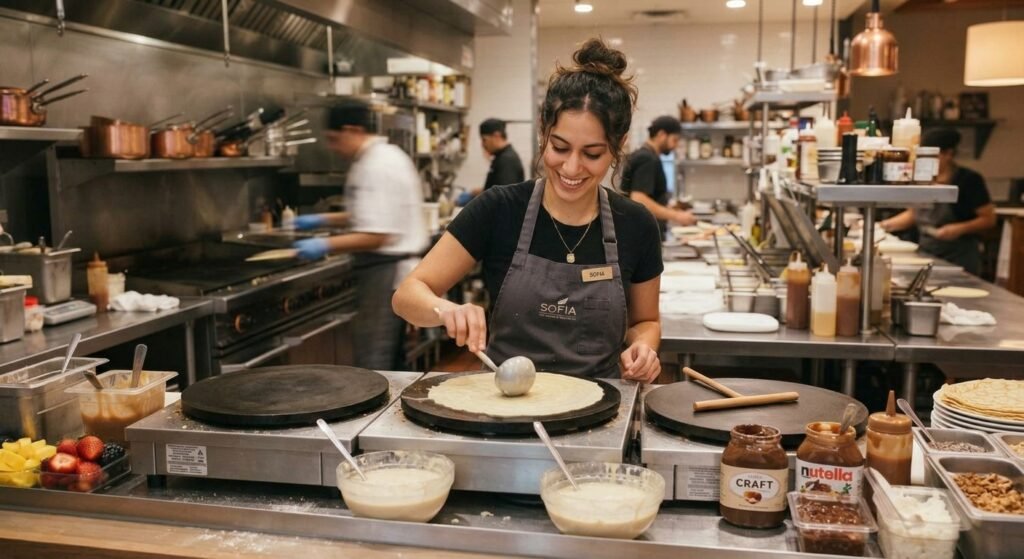
A classic sweet crêpe needs only a few pantry staples. First, cooks whisk flour, eggs, milk, melted butter, and a pinch of salt into a thin batter. Then the batter rests for at least 30 minutes so the flour fully hydrates. Next, a ladle of batter hits a hot, buttered griddle. In Brittany, that flat griddle is called a billig. With a quick sweep of a small wooden spreader, the cook stretches the batter into a wide, thin circle. After about a minute, the edges turn lacy and golden. Finally, a long spatula flips it, the fillings go on, and the crêpe gets folded.
A good crêpe is thin enough to fold cleanly but sturdy enough to hold its filling. That balance takes practice. For that reason, watching a skilled crêpe maker work is half the fun.
Sweet vs. Savory: Crêpe or Galette?
In France, the difference usually comes down to flour. Sweet crêpes use white wheat flour and stay delicate and slightly buttery. Savory versions, called galettes, traditionally use buckwheat flour for a nutty, earthy flavor. As a bonus, pure buckwheat is naturally gluten-free, although many shops blend in wheat. The classic galette complète folds ham, a fried egg, and grated Emmental into one square package. In Mexico, by contrast, most crepas use the same wheat batter for sweet and savory fillings alike.
Popular Sweet Fillings
- Nutella with fresh strawberries or banana
- Cajeta, Mexico’s goat’s milk caramel, with or without pecans
- Butter, sugar, and a squeeze of lime
- Red berries with cream cheese or whipped cream
- Caramelized apple with cinnamon
Popular Savory Fillings
- Ham and cheese, the everyday classic
- Galette complète: ham, egg, and Emmental
- Pepperoni and melted cheese, pizza style
- Chicken with poblano cream
- Huitlacoche with corn and Oaxaca cheese
The Best Spots for Crêpes Around Zibatá
1. Sweet Crepe Zibatá: The Sit-Down Classic
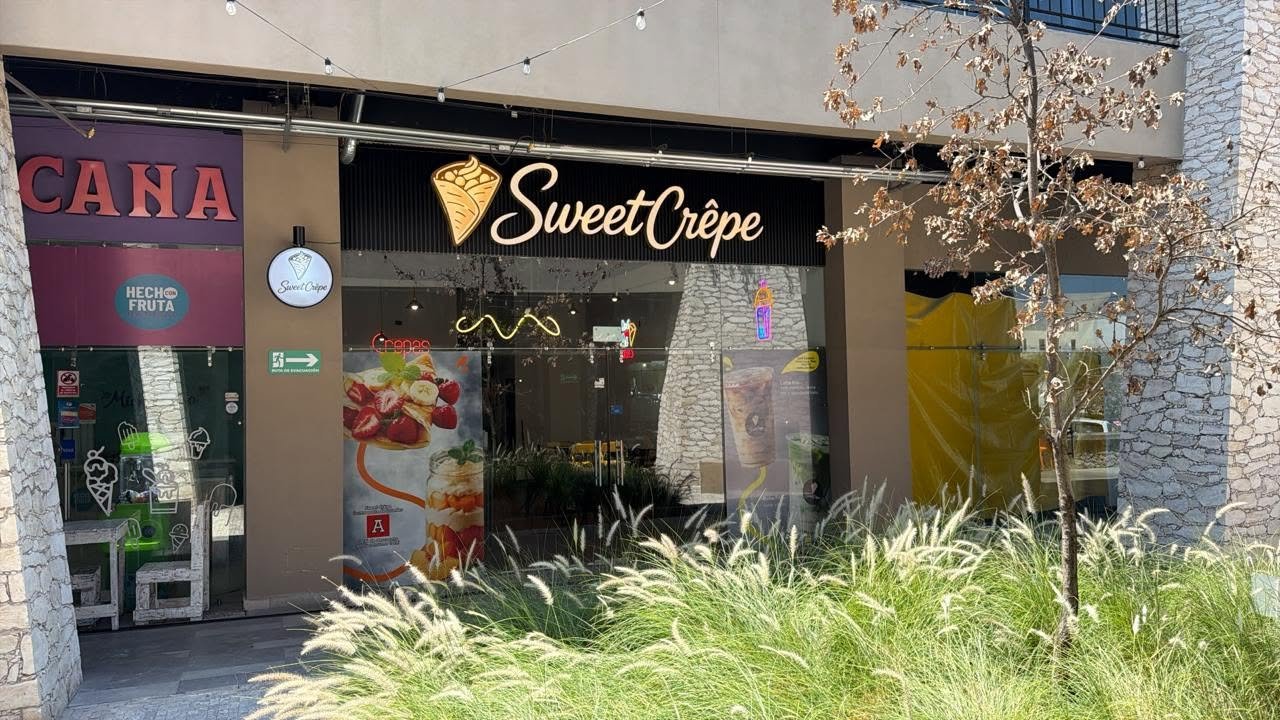
When you want a table, a crêpe, and a cold frappé, head to Plaza Paseo Zibatá. Sweet Crepe Zibatá sits inside the plaza on Av. Paseo de las Pitahayas, close to Universidad Anáhuac. As a result, students fill the room in the afternoon, and families take over on weekends.
Neighbors praise the cozy space and friendly staff, and the shop holds a 4.8-star rating. Each crêpe is made to order, so it arrives warm with crisp edges. Combos run around 135 pesos per person, which makes it an easy after-school or after-dinner stop.
- Location: Plaza Paseo Zibatá
- Menu: sweet crêpes, savory crêpes, and frappés
- Price: combos around $135 MXN per person
- Service: dine-in, takeout, and WhatsApp orders
- Best for: a relaxed afternoon treat with friends or kids
2. CABELKI Crêpes: The Evening Craving Fix in Zákia

CABELKI Crêpes calls itself a small crêpe boutique, and the menu backs it up. Every crêpe is built to order with carefully chosen ingredients. The Red Velvet Berry pairs red berries with cream cheese. Meanwhile, the Apple Pie Supreme layers caramelized apple, cinnamon, pecans, and dulce de leche. For chocolate lovers, the Choco Berry Bliss brings fresh strawberries, Nutella, and chocolate sauce together. On the savory side, try the Pepperoni Melt or the tropical Aloha Delight. Prefer to call the shots? Build a Crêpe al Gusto with your own base and topping. Also, a cup of café de olla on the side makes a cool Querétaro night feel cozy.
- Location: Zákia, El Marqués
- Hours: daily, 6:00 to 10:00 p.m.
- Price: $113 to $134 MXN per crêpe
- Also on the menu: fresas con crema (500 ml, four toppings) and 12 oz café de olla
- How to order: WhatsApp, with the full menu on Instagram
- Best for: a late dessert run after dinner
3. Las Crepas de Fer: Crêpes That Come to Your Party
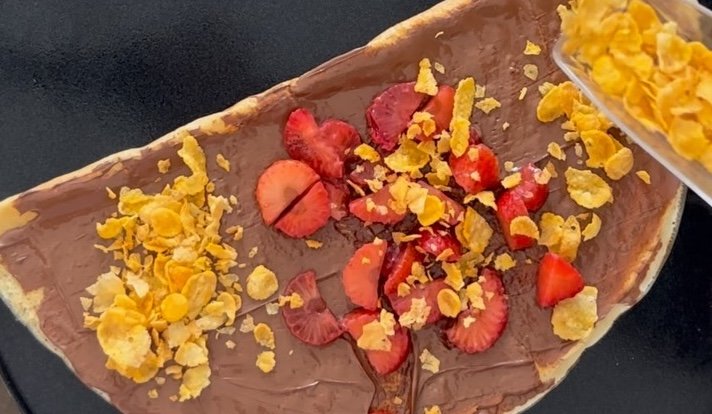
Sometimes the best crêpe is the one made in your own backyard. Las Crepas de Fer sets up a live crêpe station at parties across Querétaro. Fer and her team cook every crêpe in front of the guests, and each person builds their own. On the sweet bar, expect Nutella, strawberries, and natural cereal for crunch. In addition, savory options and mini crêpes for picnics round out the menu. The service covers kids’ birthdays, family gatherings, weddings, anniversaries, and corporate events. You may also spot the stand at weekend bazaars around El Marqués. Posada season is close, so book early if you want them in December.
- Coverage: events throughout Querétaro
- Menu: sweet crêpes, savory crêpes, and mini crêpes
- Events: birthdays, weddings, anniversaries, posadas, and corporate events
- How to book: online quote form or WhatsApp at 55 1376 5452
- Best for: a party moment your guests will talk about
Which Crêpe Spot Fits Your Plan?
- Want to sit down this afternoon? Sweet Crepe Zibatá.
- Craving dessert after 6 p.m.? CABELKI Crêpes in Zákia.
- Throwing a party or posada? Las Crepas de Fer.
Whichever you choose, order it warm and eat it fast. A crêpe tastes best in its first five minutes, while the edges still crackle.
Sources: Bécédia: Did the Bretons Invent the Crêpe? | Crêpe bretonne, Wikipedia | Connexion France: La Chandeleur | Epicure & Culture: A History of the Crêpe | KPBS/NPR: Chef Pati Jinich on Mexican Crepas
Read more: Where to Eat in Zibatá | Shopping Plazas in Zibatá and Zákia: What to Eat at Each
Find them in the Zibatá Hoy directory: Sweet Crepe Zibatá, CABELKI Crêpes Zákia and Las Crepas de Fer.
